A Map of Rock Bridge State Park
Rock Bridge State Park is bigger than many people realize. We hiked in part of the park that is less visited, but there are parts that are even less often visited.
See if you can find the path we hiked. Here are places to find on the map:
- The upper entrance to the park
- The parking lot we were in
- The trailhead where we started
- The “lollipop”
- The bridge over the creek
- The cave
- The lower parking lot
Karst Topography
The main features at Rock Bridge State Park are the rock bridge, the caves, and the sink holes. These are all features of karst topography. The rocks are made of limestone which is slowly dissolved over many, many years by rain water seeping through cracks in the rocks.
Here is a picture that includes many features of karst topography:

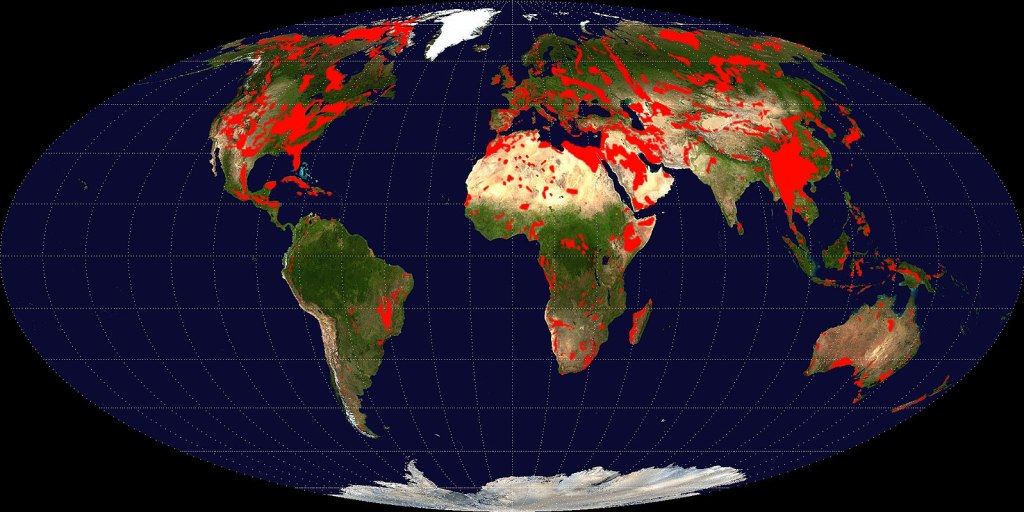
Karst topography is found all over the world.
The longest cave in the world is Mammoth Cave in Kentucky.
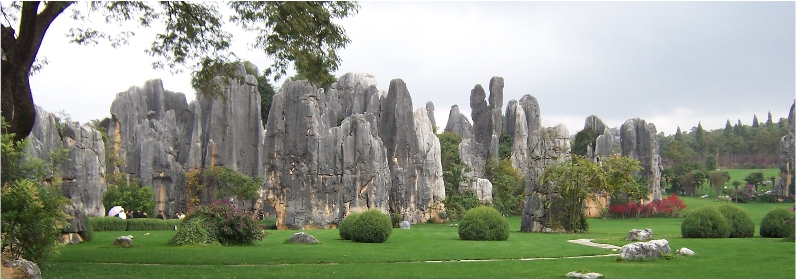
There are also interesting features of karst topography that we don’t see at Rock Bridge State Park. For instance, this is a stone forest in China:
Sinkholes
Here is a video of a sinkhole forming under the National Corvette Museum in Kentucky.
Sinkhole Security Camera Footage
This is a video from Practical Engineering, a great YouTube channel that explains many interesting engineering problems:
Isopods
We found something that we initially thought was a leach. However, after we put it in a vial of water, we could see feet. Leaches don’t have feet. I’m pretty sure it was an isopod. There are about 130 different times of aquatic isopods in Missouri. Here is an example that looks similar to what we found.

Here is another example where you can more easily see its feet:

We are all familiar with the terrestrial isopod known as a roly-poly.

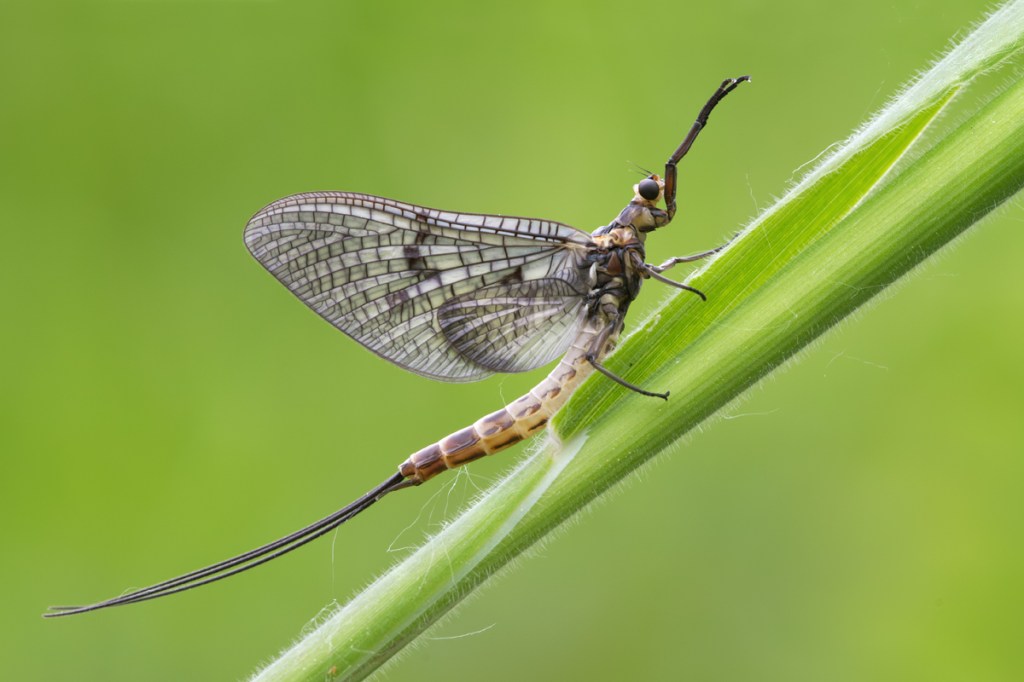
Mayfly
Someone found a mayfly. Mayflies and isopods are both signs of good water quality because they cannot live in polluted streams.
Wildflowers
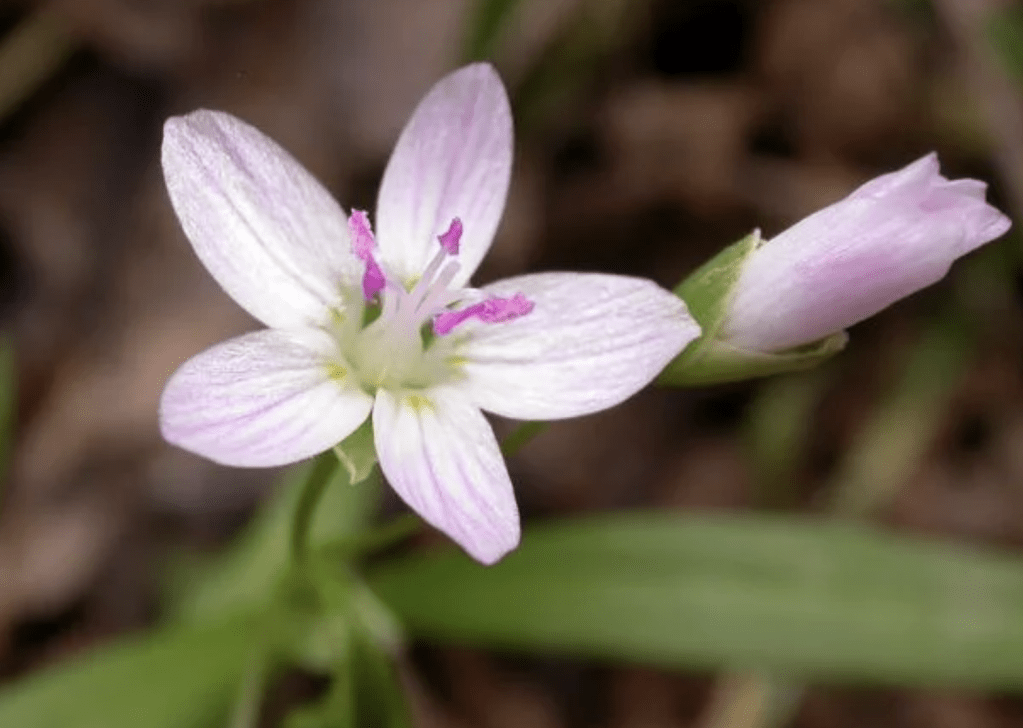
There are many wildflowers that come up in the spring. It is still very early and we only saw 4 types of wildflowers:



Fossils
The most common fossil we see in Missouri is the crinoid. When we find them, they usually look like this:

However, this is what the whole critter looked like: (It is an animal, not a plant.)

 CoMo Science
Leave a comment