You can find a list of posts from previous science clubs here.
Summer Camps
Here is a link to STEM-related Camps in mid-Missouri this summer. It is not too early to begin planning what you will be doing this summer. Registration for many of the camps has already begun. However, some links may still be from last year because websites haven’t been updated yet.
Science-related Events
Here is a link to upcoming science-related events in mid-Missouri. I try to update this each month.
Important Points We Discussed
Polymers
- Polymers are long molecules made up of repeating subunits called monomers.
Excitable Media
- An excitable media has these properties:
- It is able to respond to some stimulation.
- After it has been excited, there is a recovery period where it cannot be excited.
- After the recovery period, it is able to respond again.
- It becomes excited if its neighbor is excited.
- Excitable media often exhibit repeating but not continuous patterns
- The most important example of an excitable medium is the heart.
Electrical System of the Heart
- The electrical system of the heart consists of cells that conduct an electrical signal.
- The electrical system is like the wiring in a house.
- It is separate from the coronary arteries that supply oxygen to the heart, like the plumbing in a house.
- The heart contracts on its own without the need for the brain to stimulate it.
- Even though the heart beats without external stimulation, the brain (and other stimuli) can change how quickly the heart beats.
Receptors
- Receptors transmit signals from outside of a cell to the inside of the cell.
- Most (but not all) receptors are proteins in the cell membrane.
- Many medications function by binding to a receptor and either stimulating the receptor or blocking the normal signal.
Details of Things We Discussed
Greek and Latin roots
| Root | Meaning | Example |
| acet- | vinegar | acetic acid, acetone |
| mono- | one | monomer |
| poly- | many | polymer |
| -mer | part | monomer, dimer, polymer |
| vag- | wander | vagus, vagabond, vagrant |
| brady- | slow | bradycardia |
| cardi- | heart | cardiology |
Polymers
Many plastics and many important biological molecules are polymers. A polymer is a large molecule made up of many repeating subunits called monomers.
Important biological macromolecules that are polymers include:
- DNA
- proteins
- carbohydrates
- hydrocarbons
| Polymer | Monomer |
| DNA | nucleic acids (A, T, G, C) |
| proteins | amino acids |
| carbohydrates | -HCOH- |
| hydrocarbon | -CH2– |
Styrofoam is made of the plastic polystyrene which is a polymer of styrene monomers:
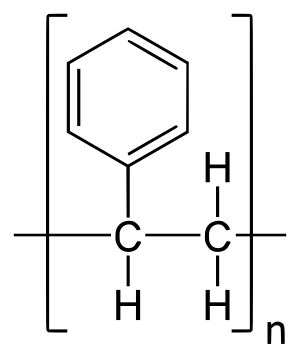
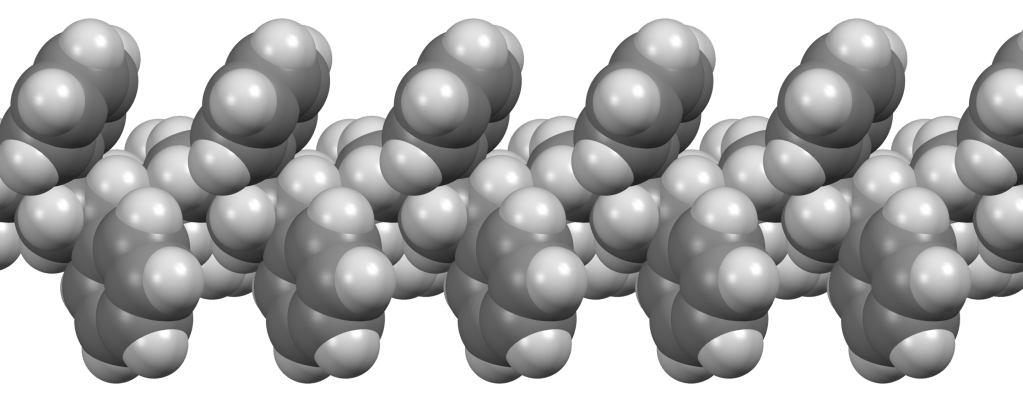
Acetone dissolves polystyrene. It does not “melt” it and it does not break it back down into styrene monomers (I was wrong.)
Excitable Media
There are many examples of excitable media. The most important is the heart. Electrical signals transmitted along the axons of nerves are another example of excitable media.
This video gives an introduction to the idea of excitable media.
The video showed an example of a geographic tongue. Another example of a similar pattern is a skin rash called erythema gyratum repens.
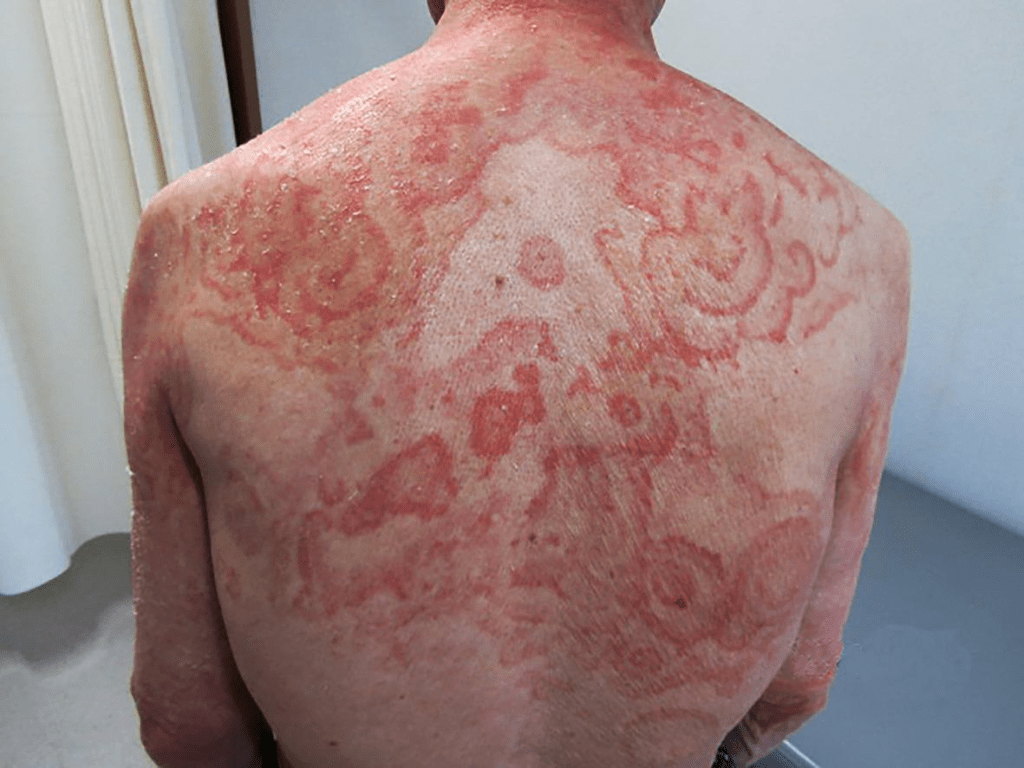
The bull’s eyes are caused by outwardly expanding waves and recovery of the centers, allowing another wave to start. The spiral shapes are caused by multiple circles interacting with each other.
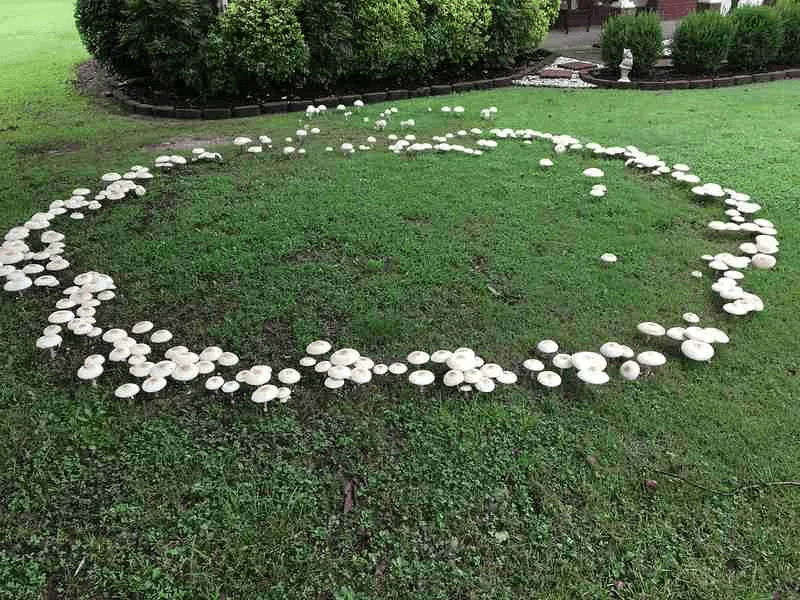
A patch of grass will expand into a lawn without clearing out the center because the grass uses photosynthesis to produce its food. But a fungus uses up the decaying matter in the center, so that the center can no longer support the growth of the fungus until enough decaying matter builds up in the center again.
Electrical System of the Heart
The electrical system of the heart is separate from the coronary arteries that carries oxygen and nutrients to the heart. This seems obvious but people often get confused when it comes to the cause of diseases of the heart.
For instance, a cardiac arrhythmia is due to a bad electrical system. It does not mean that a person has had a heart attack, which is due to a blockage of one of the arteries. However, a heart attack can damage the electrical system and so can be one cause of a cardiac arrhythmia.
The natural pacemaker of the heart is called the sinoatrial node (SA node). It spontaneously generates a signal which then spreads throughout the heart, first to the atria (since they are closer to the SA node), then through the atrioventricular node (AV node) into the right and left ventricles.
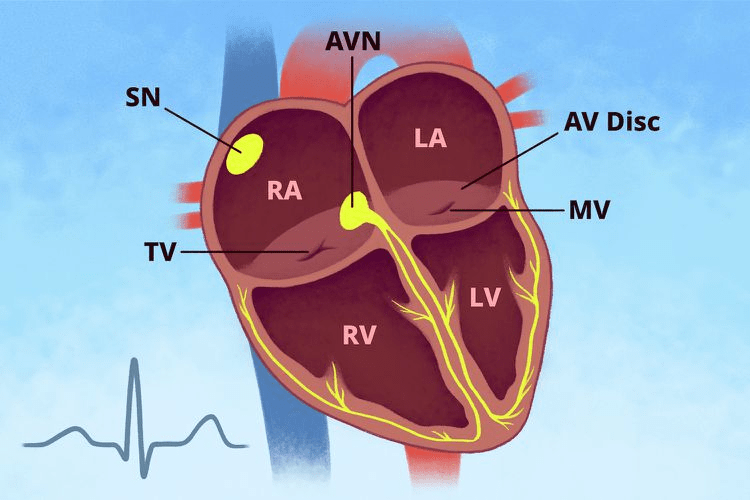
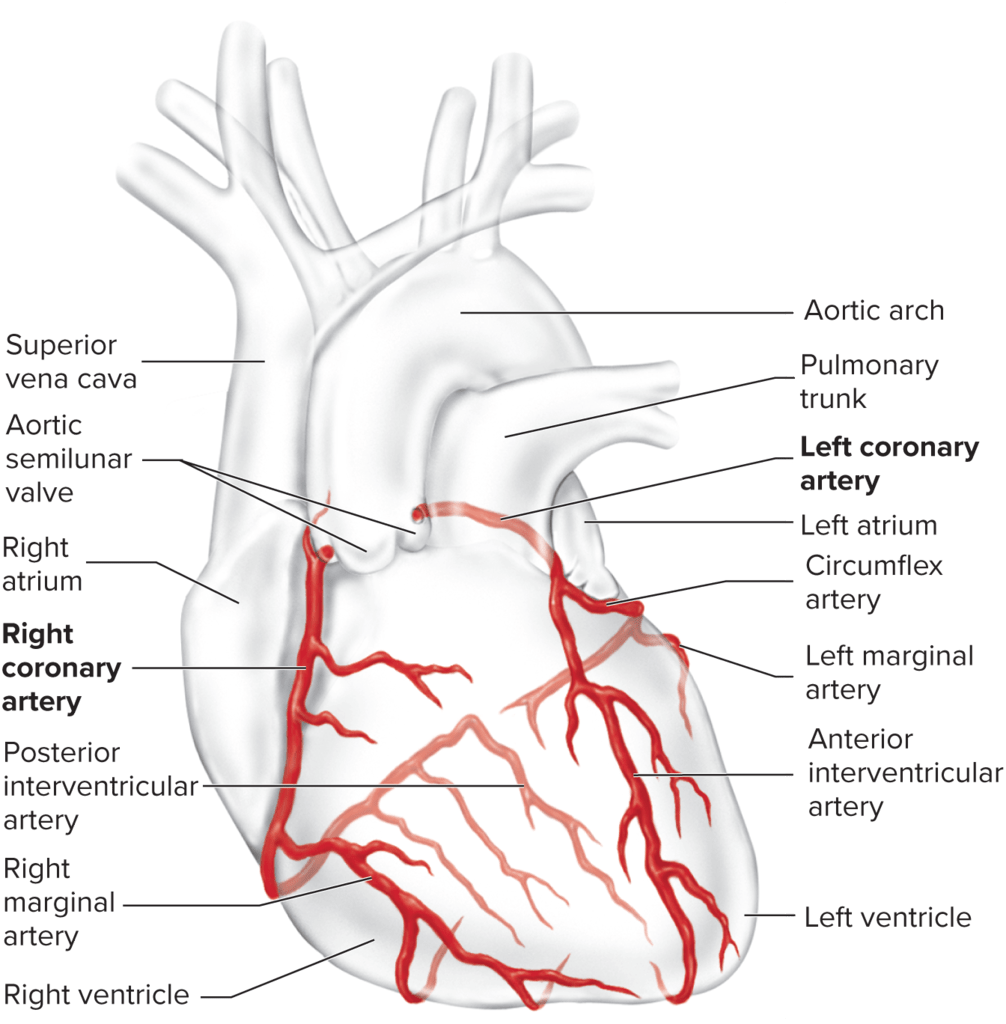
The heart does not need the brain to tell it to beat.
The SA node produces a signal spontaneously, without the need for any outside stimulation. This can best be demonstrated when the heart is out of the body. As long as it is receiving oxygen and fuel from its blood supply, it will continue beating.
Modification of Heart Beat
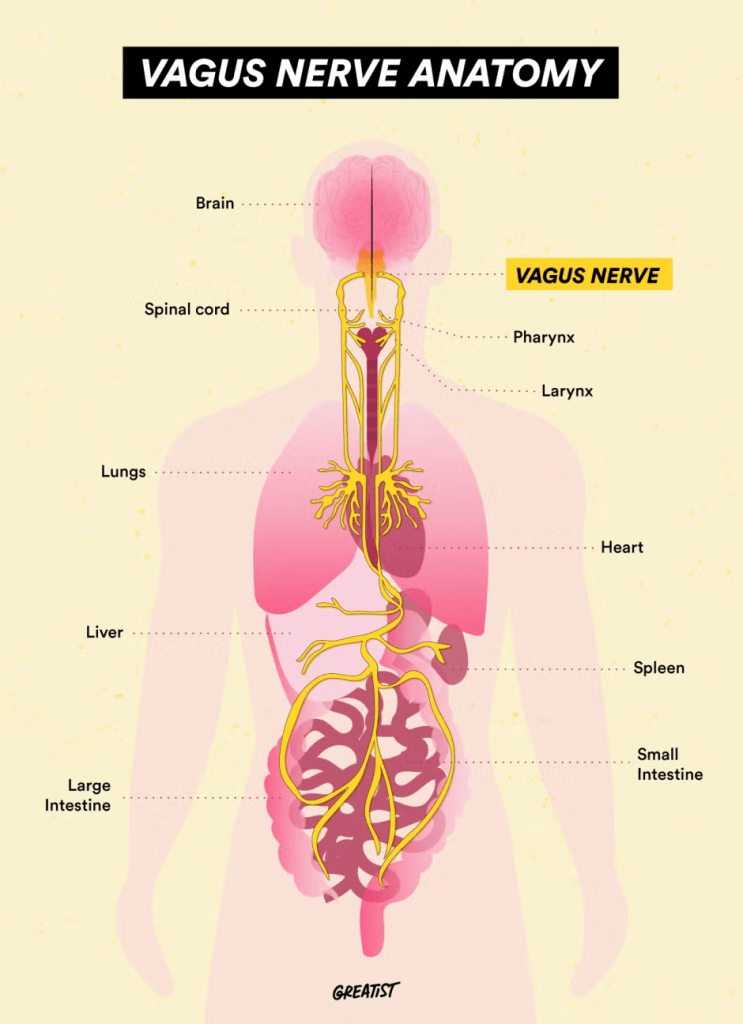
Although the SA node generates a pulse spontaneously, the rate can be modified by external stimuli.
Stimuli that make the heart be slower include:
- the vagus nerve which brings signals from the brain
- deep sleep
- diving reflex
- Cushing reflex due to increased intracranial pressure
Stimuli that make the heart be faster include:
- adrenaline
- thyroid hormone
- caffeine
- nicotine
- cocaine
- amphetamine
(These are only partial lists.)
Bradycardia occurs when the heart beats too slow, defined as less than 60 beats per minute.
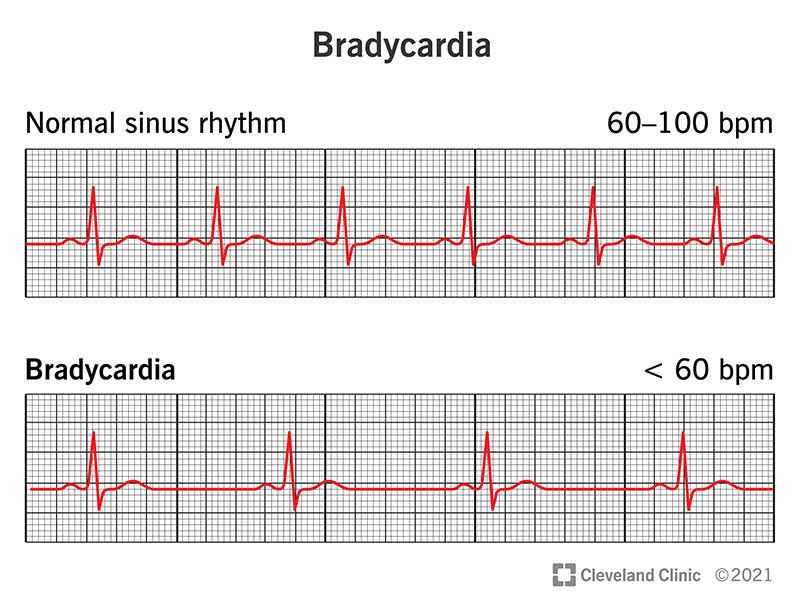
If the heart beats very slow, then the patient develops symptoms due to the heart not pumping enough blood. This can be life-threatening and requires treatment.
Receptors
Receptors are proteins that transmit a signal from outside the cell to the inside of the cell. Although some chemicals pass through the cell membrane to bind to receptors that are inside the cell, most receptors are in the cell membrane.
Receptors in the cell membrane bind to a chemical messenger on the outside of the cell. The binding of the messenger causes the receptor’s shape to change, including its shape on the inside of the cell, which transmits the signal from the outside to the inside of the cell.
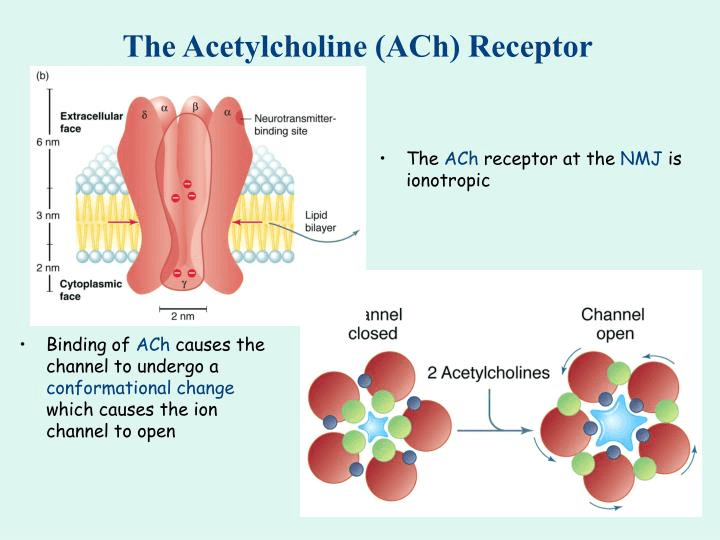
There are many different receptors on the surface of every cell in the body. Many of these receptors are targets for many different medications.
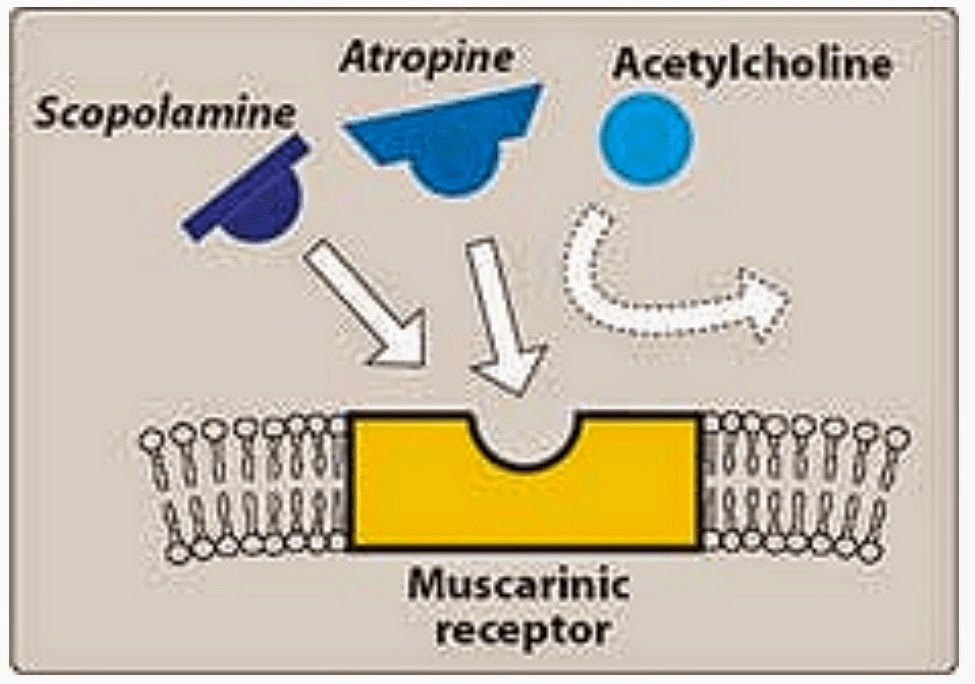
A medication that binds to a receptor may either mimic the natural signal and activate the receptor, or it can block the natural signal from being able to bind to the receptor and prevent the receptor from being activated.
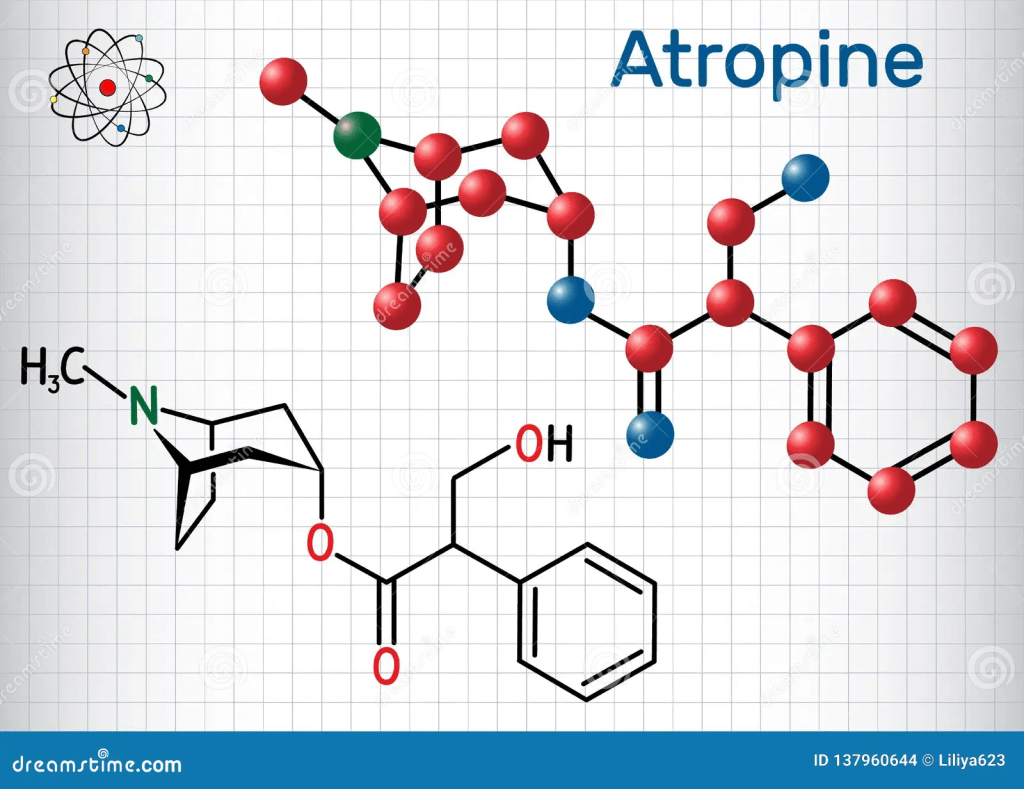
Atropine is an example of a medication which is used to stimulate the heart to beat faster. Normally, the vagus nerve slows the heart rate down by stimulating acetylcholine receptors with acetylcholine. Atropine binds to the acetylcholine receptor and blocks acetylcholine from binding to the receptor. Without the signal from the acetylcholine to slow the heart down, the heart rate speeds up.
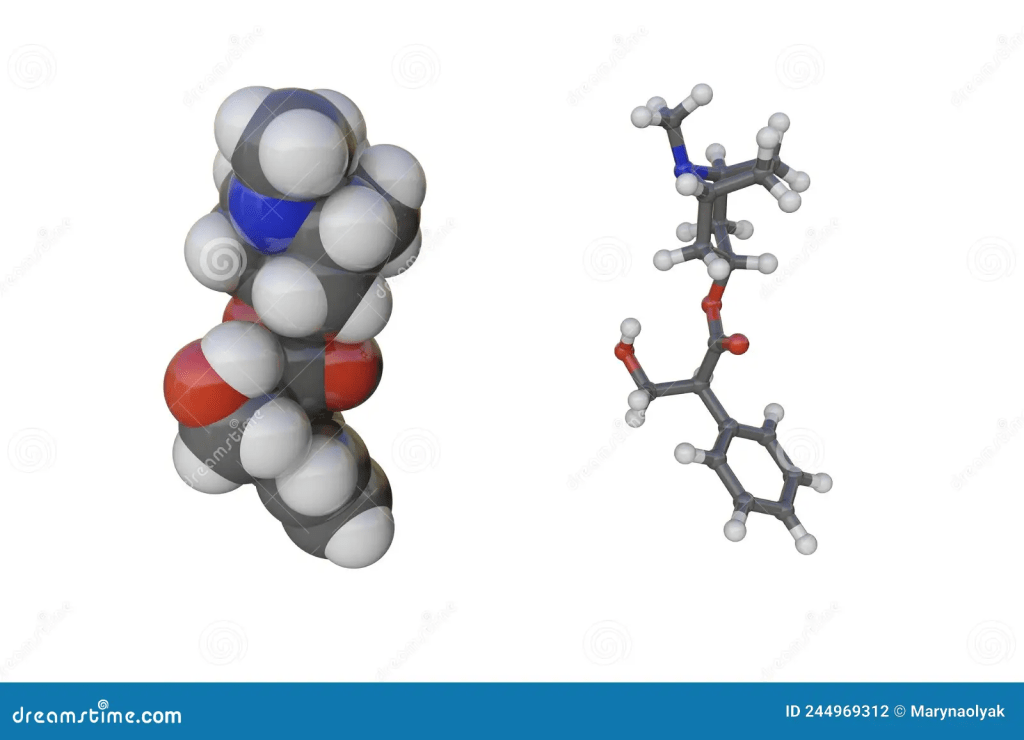
Although the overall shape of a medication may be very different than the natural chemical it is trying to imitate, the specific part of the molecules that bind to the receptor are similar.
Cardiac Drugs and Their Receptors
Many cardiac drugs work by binding to receptors. (If the receptor changes shape to allow something to pass through the middle of it, the receptor is called a “channel”. If the receptor uses energy in the form of ATP to increase the concentration of ions, the receptor is called a “pump”.)
| Drug Class | Receptor |
|---|---|
| Beta-Blockers | beta receptors |
| Calcium Channel Blockers | calcium channels |
| Cardiac Glycosides | Na⁺/K⁺-ATPase pump |
| Class I Antiarrhythmics | Voltage-gated Na⁺ channels |
| Class III Antiarrhythmics | K⁺ channels |
| Anticholinergic | muscarinic acetylcholine receptors |
| Sympathomimetics | alpha, beta and dopamine receptors |


Leave a comment