Meaning: body
Root word: Latin corpus, corporis
Similar roots: copr- meaning “dung”, cor- meaning “heart”
Opposite roots:
English Words with the Root
Commonly encountered words are in bold.
Corporation: A legal entity that is separate from its owners, created to conduct business and can own assets, incur liabilities, and enter contracts.
Accorporate: To incorporate something into a body or entity; to unite with or become part of a corporation.
Concorporate: To join or unite two or more entities into a single corporation or body.
Concorporation: The act of forming a single corporation from multiple entities; the state of being incorporated together.
Incorporate: To form or combine into a single legal entity; to include or integrate as part of a whole.
Incorporation: The act of forming a corporation; the legal process by which a business or organization becomes a corporation.
Corporate: Relating to a corporation or a large company; often used to describe collective actions or structures.
Disincorporation: The act of dissolving or disbanding a corporation; the process of removing corporate status.
Disincorporate: To dissolve or separate an incorporated entity; to remove from corporate status.
Corporature: The structure or framework of a corporation; may also refer to the physical embodiment of corporate identity.
Corporative: Relating to or organized as a corporation; often used in contexts discussing collective or cooperative efforts.
Corporal: Pertaining to the body; often used in military contexts to refer to a rank (e.g., corporal).
Corps: A group of people working together, often in a military context; can also refer to a branch of the armed forces.
Corporality: The quality or state of being corporeal; physical existence or embodiment.
Corporeal: Having a physical body; relating to the tangible or material aspects of existence.
Corporeality: The state or quality of having a physical body; the quality of being corporeal.
Corporeity: The state or quality of being corporeal; physical existence.
Extracorporeal: Outside of the body; often used in medical contexts to describe procedures or activities that occur outside the physical body.
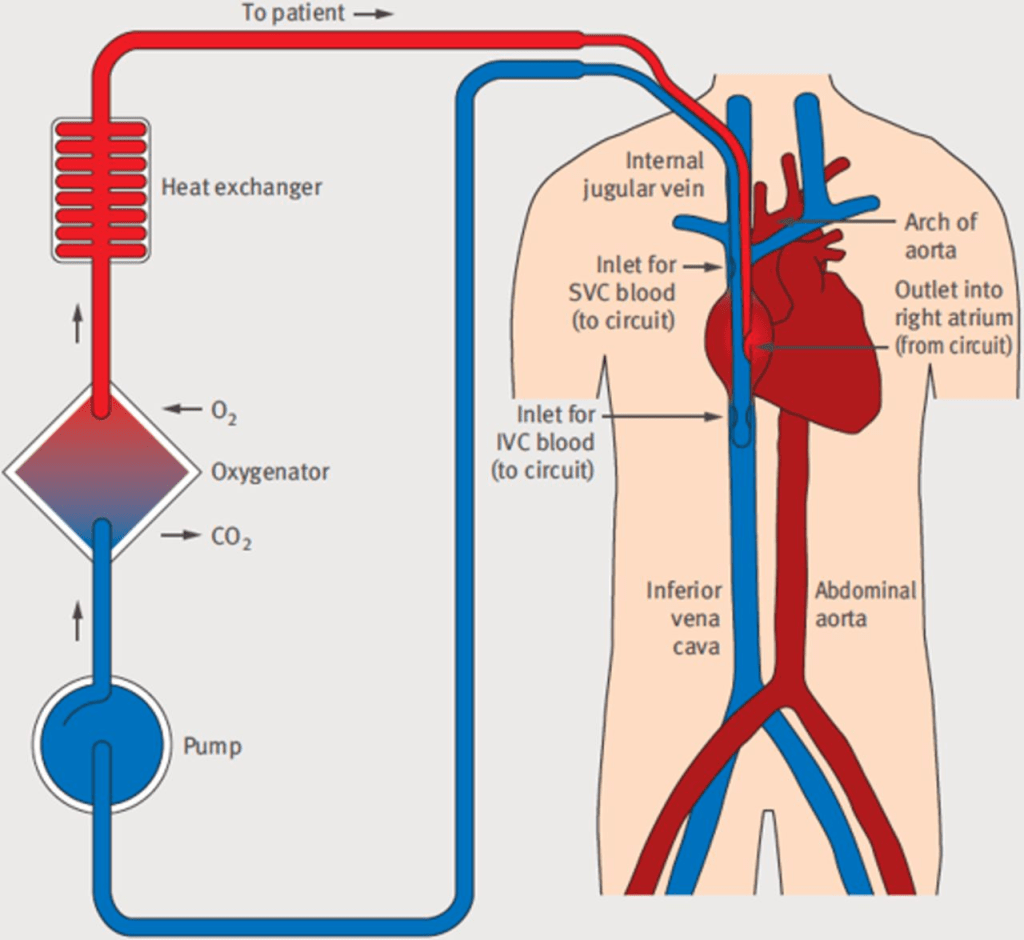
Incorporal: Not having a physical body; lacking material existence.
Incorporality: The quality or state of being incorporal; absence of physical form.
Incorporeal: Without a physical body; intangible or not consisting of matter.
Incorporeality: The state of being incorporeal; lack of physical form or substance.
Incorporeity: The quality of being incorporeal; the absence of corporeal characteristics.
Corpse: A dead body, particularly of a human; the physical remains after death.
Corpulence: The state of being excessively overweight or obese; describes a large body size.
Corpulent: Having a large, bulky body; overweight or obese.
Corpus: A body of texts or writings, often used in reference to a collection of works; can also refer to a physical body in medical or biological contexts.
Corpuscle: A small particle or cell, especially in a biological context; often refers to blood cells.
Corpuscular: Relating to corpuscles; used in scientific contexts, especially in physics and biology, to describe phenomena at a particle level.
Bicorporal: Having two bodies; can refer to a dual physical form or the combination of two corporate entities.
Tricorporal: Having three bodies; may refer to entities that combine or involve three physical forms or aspects.
Links
List of Greek and Latin roots in English – Wikipedia
Other Roots Used in These Words
- in-
- con-
- dis-
- tri-
- bi-
 CoMo Science
Leave a comment